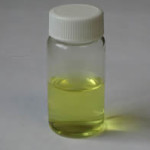
The Watershed Game – Clean it up Clean up the dirty watershed In the watershed game, your task is to clean up the dirty watershed. Many different people and corporations might pollute the watershed – it's your task to complete each scenario to protect the watershed. How to play the watershed game: Start the game by clicking on the "Next" button below. You will then see some different scenarios that will affect the watershed in a good or bad way. Answer the question about each picture to see if you were right. Why should you clean up the watershed? But why clean up the watershed you might think? Water keeps coming down with rain so why bother? Please click HERE if you would like to review the Water Cycle and you will understand why it’s so important to protect our water. Go have a look if you’re in doubt about why you should clean up the watershed. And if not. Let’s play! Brenda & Julia are camping in the forest. After eating a meal, they realize they have trash that they need to throw away, but there are no trash cans nearby. What should they do with their trash? Take the trash with them when they leave and throw it away in a trash can. Burn the trash in the campfire, so the campsite will be left clean, and they won’t have to pack out the trash. Bury the trash in the ground, so the campsite will be left clean, and they won’t have to pack out the trash. Leave the trash at the campsite. What harm could a little trash have? The correct answer is: The best way for Brenda & Julia to deal with their trash is to take it with them when they leave and throw it away in a trash can. Packing the trash out and throwing it away later will ensure that the campsite is left clean for the next people who use it. It also ensures that the trash won’t get eaten by wildlife or pollute a nearby stream or lake. Why shouldn’t Brenda and Julia burn or bury the trash? Burning plastic trash can release toxic fumes into the atmosphere, and lots of times burned trash (like foils, food, paper, and plastic) doesn't burn all the way, still attracting wildlife and leaving a mess. Even though the campsite would appear clean if Brenda and Julia buried their trash, the trash could be dug up by wildlife and strewn about the area. Even if the trash remains buried, it could take many years to break down into soil. Look, you've already made the headwaters of the watershed a little cleaner! Let's try another one. Scroll down for the next scenario. This egg farm has hundreds of chickens. The chickens create a lot of manure that could pollute nearby streams. What should be done to prevent the manure from polluting nearby streams? Carry the manure away in trucks and take it to the county dump. Leave the manure. It will biodegrade naturally. Compost the manure and allow nearby farmers to spread it out on their fields to fertilize their crops. Keep the chickens away from streams, so that the manure doesn't flow into the water. The correct answer is:If the manure is composted first, using it as fertilizer for crops is a good way to recycle waste from chickens. Manure provides farmers with a natural alternative to synthetic fertilizers. It is also much cheaper to give manure to nearby farmers then to pay to get rid of it at the county dump. Raw manure often contains harmful bacteria. Composting the manure before spreading it out on the fields kills harmful bacteria that could contaminate streams. Why can't the egg farmer just keep the chickens away from streams and other water sources in the first place? Wouldn't that be easier than selling the manure to other farmers? Although keeping the chickens away from streams and other water bodies is helpful in preventing pollution from the manure, rain can still wash manure into streams in the form of runoff. The uncomposted manure could contain harmful bacteria that might pollute the water in the stream. The accumulation of manure also creates unhealthy conditions for chickens and people, so one way or another, the manure will need to be removed from the farm. Great job, look at the watershed getting cleaner! Let's try another one. Scroll down for the next question. Mike and his Dad need to change their van’s oil at home. What should they do with the used oil from the van? Throw it in the trash. Pour it on the ground. Dump it down the drain. Take it to a recycling facility. The correct answer is:The best way to get rid of used motor oil is to take it to a facility that recycles used oil. Places that often take used motor oil: -Auto parts store -Auto repair shop -Recycling center -County dump -Gas station Why is it important to take used motor oil to a place that recycles used oil? Motor oil is toxic to humans, plants, and animals. Oil that is dumped on the ground is likely to seep into the soil and find it's way into groundwater or flow into a lake or stream. Oil thrown in the trash usually ends up in a land fill. The oil could eventually seep into the soil when it is in the landfill and contaminate groundwater. Oil that is dumped down the drain is likely to find it's way to a water treatment facility. These facilities, however, do not have the ability to take used oil out of the water before it is released back into the environment. You're doing great! Let's try the next one. Scroll below for the next scenario. Insects are harming the crops on this farm. What would be the best way to get rid of the insects and still protect the watershed? Note: There may be more than one correct response for this question. Plant a variety of crops instead of just one. Spray the field with pesticides. Use natural predators, such as ladybugs, to kill the insects. Cover the plants with black plastic. The correct answers are: (This question had multiple correct responses.) Planting a variety of crops and using natural predators are both great ways to get rid of harmful insects and still protect the watershed. Crop Diversification This farm has planted a variety of crops, such as beans, corn, squash, lettuce, beets, onions, and many other types of crops. Most plants aren't affected by the exact same diseases or insects, so if one crop fails (such as lettuce), it is likely that the farmer will still have other crops that remain undamaged (such as beans and corn). Natural Predators Natural predators eat insects that may harm the plants on the farm, such as aphids and spider mites. Using natural predators reduces the need for toxic chemicals, such as pesticides. Why is using pesticides harmful to the watershed? Toxic pesticides that are sprayed on fields can end up being washed into nearby streams and polluting the water. Toxic pesticides can also kill natural predators, like ladybugs, and other wildlife. Why are farms so important to people? Farms produce much of the food that we eat, including vegetables, fruit, wheat, corn, and nuts. Because we rely on farms for food, it's important to find ways to grow food in a way that is least harmful to the environment. Great job! The watershed looks so much cleaner already. Scroll down for the next question. This paper mill (where paper is made) is next to a river. The mill creates a lot of waste water that contains toxic chemicals. What is the best way for the mill to protect the watershed when they get rid of the waste water? Carry the waste water away from the mill in trucks and dump it into the ocean far away from the river. Use less toxic chemicals while making the paper, so that the waste water is less toxic. Reuse the waste water as much as possible for landscaping in public parks. Dump treated waste water into the river. The treatment process will protect the water quality of the river. The correct answer is:One of the best ways for the mill to protect the watershed is to use less toxic chemicals when they make paper. One major toxin in paper mill wastewater is chlorine. Chlorine is used to bleach paper and make it white. However, chlorine also produces dioxins that end up in the mill's wastewater. Dioxins are highly toxic to humans, wildlife, and plants. Eliminating the use of chlorine at the paper mill can reduce the amount of toxins that end up in the wastewater. When the wastewater is released back into the environment, whether a river, the ocean, or a public park, it will be less toxic to the watershed. Why are paper mills so important to people any way? Paper mills are the main source of paper for people. People use paper for all sorts of things from books to toilet paper. Because paper is something people use and value, it's important that we find ways to produce it in a way that is least harmful to the environment. What can we do at home to reduce pollution from paper mills? (1) Reduce the amount of paper that you use. The less paper you use, the less paper will need to be created. (2) Recycle your paper once you are done with it. Or alternatively, find a way to reuse your paper for something new. (3) Buy paper that is 'chlorine-free' and at least 30% post-consumer recycled content And last, remember that paper comes from trees! When you follow the steps above, you also prevent forests from needing to be cut down. Time is Up!